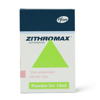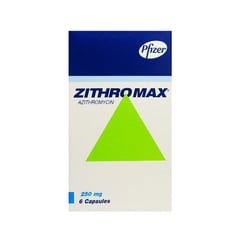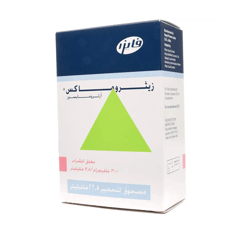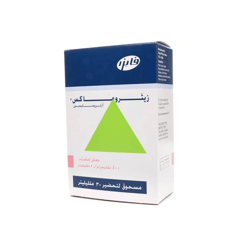
Zithromax Oral Suspension 200 mg – 15 ml


Zithromax 200 mg/5 ml suspension is a widely used macrolide antibiotic formulated for pediatric use and for patients who have difficulty swallowing tablets. It contains Azithromycin, which effectively treats a broad range of bacterial infections by inhibiting bacterial growth. This formulation is especially suitable for children due to its convenient dosing and palatable liquid form.
Active Ingredient and Composition
-
Active Ingredient: Azithromycin
-
Strength: 200 mg per 5 ml
-
Dosage Form: Oral suspension (after reconstitution)
-
Pack Size: 15 ml
Drug Class
-
Pharmacological Class: Macrolide antibiotic
-
Therapeutic Category: Antibacterial agent
Uses and Medical Indications of Zithromax
Zithromax 200 mg/5 ml is indicated for:
-
Upper respiratory tract infections (pharyngitis, tonsillitis, sinusitis)
-
Lower respiratory tract infections (bronchitis, pneumonia)
-
Ear infections (otitis media)
-
Skin and soft tissue infections (boils, abscesses)
-
Sexually transmitted bacterial infections
It is commonly prescribed in pediatric populations for respiratory and ear infections.
How Zithromax Works
Zithromax works by:
-
Inhibiting bacterial protein synthesis
-
Preventing bacterial replication
-
Supporting the immune system in eliminating infection
Dosage and Administration of Zithromax
-
Dosage depends on body weight, age, and infection type
Typical dosing:
-
Children: 10 mg/kg once daily for 3 days
-
Adults: 500 mg once daily for 3 days
Instructions:
-
Shake well before use
-
Measure with an oral syringe or dosing spoon
-
Can be taken with or without food
-
Do not double doses if one is missed
Possible Side Effects of Zithromax
Common side effects include:
-
Diarrhea
-
Nausea and vomiting
-
Abdominal pain
-
Dizziness
Less common:
-
Skin irritation or rash
-
Fatigue
-
Headache
Contraindications
Do not use Zithromax if you have:
-
Hypersensitivity to azithromycin or macrolide antibiotics
-
Severe liver disease
-
History of azithromycin-related liver dysfunction
Drug Interactions
Zithromax may interact with:
-
Anticoagulants
-
Drugs that prolong QT interval
-
Certain vaccines (e.g., BCG, cholera vaccine)
Warnings and Precautions
-
Use cautiously in liver disease
-
Monitor for cardiac rhythm abnormalities
-
Risk of antibiotic-associated diarrhea (C. difficile)
-
Avoid unnecessary antibiotic use to prevent resistance
Use During Pregnancy and Breastfeeding
-
Use only if prescribed
-
Generally considered relatively safe under medical supervision
Use for Children
-
Widely used in pediatric patients
-
Dose adjusted based on body weight
-
Monitor infants for gastrointestinal symptoms
Drug Alternatives
Alternative antibiotics include:
-
Amoxicillin
-
Clarithromycin
-
Cefuroxime
Comparison With Similar Drugs
Compared with other antibiotics:
-
Azithromycin (Zithromax) offers short-course therapy
-
Convenient once-daily dosing improves compliance
-
Effective against many respiratory pathogens
Safe Usage Tips
-
Complete the full course of treatment
-
Do not skip doses
-
Maintain hydration
-
Avoid using without prescription
Frequently Asked Questions (FAQ)
Does Zithromax treat viral infections?
No, it only treats bacterial infections.
Can it be taken with food?
Yes, the suspension is not significantly affected by food.
When does it start working?
Most patients improve within 2–3 days.
Is it suitable for children?
Yes, it is commonly prescribed for pediatric infections.
Conclusion
Zithromax 200 mg/5 ml suspension is an effective and convenient antibiotic for treating bacterial infections, particularly in children. With proper dosing and adherence, it provides reliable infection control and symptom relief.
| Offer Label | Need Physician Approval |
|---|---|
| Shipping Type | Express |