
Warfarin 3 mg Tablets – 28


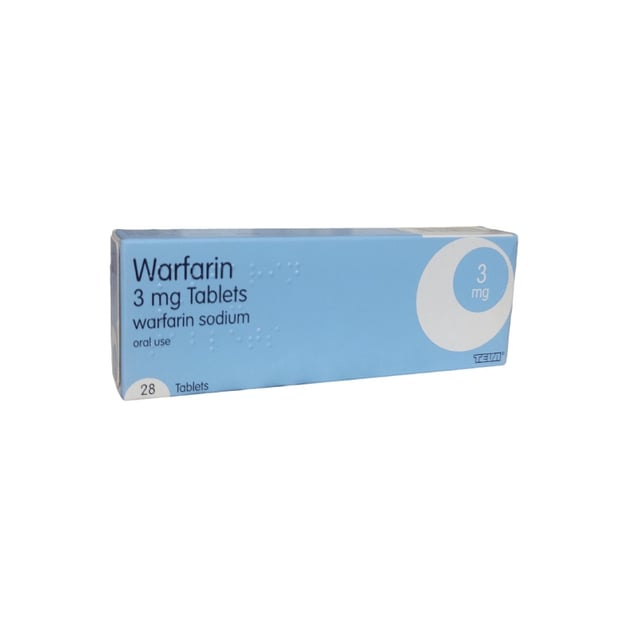
Warfarin 3 mg is an oral anticoagulant widely used to prevent and manage blood clots. It contains Warfarin, a vitamin K antagonist that reduces the blood’s ability to clot. Warfarin is commonly prescribed for patients at risk of thromboembolic events, particularly those with cardiac conditions or a history of clot formation.
Active Ingredient and Composition
-
Active Ingredient: Warfarin
-
Strength: 3 mg per tablet
-
Dosage Form: Oral tablets
-
Pack Size: 28 tablets
Drug Class
-
Pharmacological Class: Vitamin K antagonist
-
Therapeutic Category: Anticoagulants (blood thinners)
Uses and Medical Indications of Warfarin
Warfarin 3 mg is indicated for:
-
Treatment and prevention of blood clots (deep vein thrombosis and pulmonary embolism)
-
Atrial fibrillation-related stroke prevention
-
Patients with mechanical heart valves
-
Prevention of recurrent myocardial infarction
-
Prevention of ischemic stroke
It is essential for long-term anticoagulation in high-risk patients.
How Warfarin Works
Warfarin works by inhibiting vitamin K–dependent clotting factors (II, VII, IX, and X) in the liver. This reduces the blood’s ability to form clots, helping prevent clot growth and new clot formation.
Dosage and Administration of Warfarin
-
Dose is individualized based on INR (International Normalized Ratio)
-
Typically taken once daily at the same time
-
Regular blood monitoring (INR testing) is essential
Important:
-
Do not change dose without medical advice
-
Maintain consistent dietary vitamin K intake
Possible Side Effects of Warfarin
Common or notable side effects include:
-
Nosebleeds
-
Unusual bruising
-
Bleeding gums
-
Headache or dizziness
-
Abdominal discomfort
Serious warning signs:
-
Black or bloody stools
-
Blood in urine
-
Vision changes
-
Prolonged or heavy bleeding
Contraindications
Do not use Warfarin if you have:
-
Active bleeding disorders
-
Recent major surgery with bleeding risk
-
Known hypersensitivity to warfarin
-
Pregnancy (high risk of fetal harm)
Drug Interactions
Warfarin has numerous drug interactions, including:
-
Antibiotics and antifungals
-
NSAIDs (e.g., ibuprofen)
-
Aspirin and antiplatelet drugs
-
Herbal supplements (e.g., St. John’s Wort)
These interactions may increase or decrease anticoagulant effect.
Warnings and Precautions
-
Requires frequent INR monitoring
-
Maintain consistent diet (avoid sudden changes in vitamin K intake)
-
Increased risk of bleeding—use caution in daily activities
-
Inform healthcare providers before any surgery or dental procedure
Use During Pregnancy and Breastfeeding
-
Contraindicated in pregnancy due to risk of fetal harm
-
May be used cautiously during breastfeeding under medical supervision
Use for Children
-
Used only under specialist supervision with careful monitoring
Drug Alternatives
Alternative anticoagulants include:
-
Direct oral anticoagulants (DOACs) such as rivaroxaban and apixaban
-
Heparin and low molecular weight heparins
Comparison With Similar Drugs
Compared with DOACs:
-
Warfarin requires regular INR monitoring
-
More dietary and drug interactions
-
Preferred in certain conditions (e.g., mechanical heart valves)
Safe Usage Tips
-
Take medication at the same time daily
-
Monitor INR regularly
-
Avoid activities with high bleeding risk
-
Use a soft toothbrush and electric razor
-
Inform your doctor about all medications and supplements
Frequently Asked Questions (FAQ)
Does Warfarin dissolve blood clots?
No, it prevents clot growth and formation. The body naturally breaks down existing clots.
When does Warfarin start working?
It begins affecting clotting within 24–72 hours, with full effect in 3–5 days.
When should I seek medical help?
If you experience unusual bleeding, black stools, or severe symptoms.
Do blood clots disappear with treatment?
Yes, over time, the body dissolves them while anticoagulants prevent new ones.
Conclusion
Warfarin 3 mg is a critical anticoagulant for preventing and managing blood clots in high-risk patients. With proper monitoring and adherence to medical guidance, Warfarin plays a vital role in reducing life-threatening thromboembolic complications.
| Offer Label | Need Physician Approval |
|---|---|
| Shipping Type | Express |