

Drug Overview
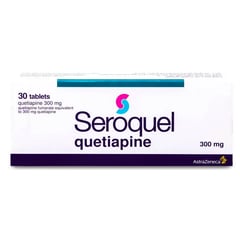
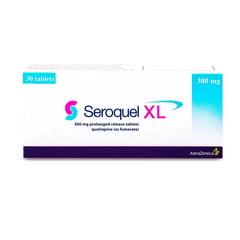
Seroquel XL 400 mg 30 Tablets is a prescription-only extended-release antipsychotic medicine used to support the treatment of serious mental health and mood disorders under medical supervision. Available from United Pharmacy, this product contains quetiapine in a prolonged-release tablet form designed for once-daily dosing. It is commonly prescribed for schizophrenia, bipolar disorder, and selected depressive episodes when a clinician determines that quetiapine therapy is appropriate.
Active Ingredient and Composition
Each extended-release tablet contains quetiapine fumarate, equivalent to 400 mg of quetiapine. The formulation is designed to release the medicine gradually, helping maintain therapeutic levels over time.
Drug Class
Quetiapine belongs to the class of second-generation antipsychotics, also called atypical antipsychotic medicines. This drug class is used in psychiatric care to help regulate mood, thought patterns, and behavioral symptoms.
Uses of Seroquel XL 400 mg 30 Tablets
This medicine is prescribed for a range of psychiatric and mood-related conditions, including:
- Schizophrenia and related thought disturbances
- Bipolar disorder, including manic episodes
- Bipolar depression
- Major depressive episodes in selected treatment plans, according to physician guidance
Patients receiving quetiapine may have symptoms such as persistent sadness, low energy, sleep disturbance, impulsive behavior, agitation, suspicious thinking, or altered perception. The exact indication and dose should always be determined by the treating physician.
How Seroquel XL 400 mg 30 Tablets Works
Quetiapine works by modulating neurotransmitter activity in the brain, especially pathways involving dopamine and serotonin. By helping rebalance these chemical signals, the medicine may reduce psychotic symptoms, stabilize mood fluctuations, and improve overall psychiatric symptom control in appropriate patients.
Dosage and Administration of Seroquel XL 400 mg 30 Tablets
This medicine should be taken only as prescribed. Because it is an extended-release formulation, it is generally used once daily, preferably at the same time each day. Tablets should be taken exactly as directed by the prescribing clinician.
- Use only with a valid prescription
- Take the medicine at the scheduled time every day
- Do not stop treatment suddenly unless advised by a doctor
- Follow dose adjustments carefully if the treatment plan changes
Abrupt discontinuation may lead to withdrawal-related symptoms or worsening psychiatric instability, so treatment changes should be medically supervised.
Possible Side Effects
Like other atypical antipsychotics, quetiapine may cause side effects. Some of the more commonly reported effects include:
- Drowsiness or sedation
- Dizziness
- Dry mouth
- Weight gain
- Changes in blood pressure
Less commonly, patients may experience mood changes, palpitations, or other adverse effects that require medical review. Any severe or unusual reaction should be reported promptly to a healthcare professional.
Contraindications
Quetiapine should not be used in cases of known hypersensitivity to quetiapine or any component of the formulation. A physician should evaluate whether this medicine is suitable for patients with complex medical or psychiatric histories before treatment begins.
Drug Interactions
Quetiapine may interact with other medicines that affect the central nervous system, blood pressure, heart rhythm, or liver metabolism. Clinical caution is needed when it is combined with sedatives, antidepressants, antiepileptics, or other psychiatric medicines. Patients should provide a full medication list, including over-the-counter products and supplements, before starting therapy.
Warnings and Precautions
- Prescription-only medicine; do not use without medical supervision
- Use caution when driving or operating machinery, especially at the start of treatment
- Careful monitoring may be needed in patients with heart disease or liver impairment
- Weight and blood glucose monitoring may be recommended during treatment
- Follow-up appointments are important to assess response and tolerability
Use During Pregnancy and Breastfeeding
Use during pregnancy or breastfeeding should occur only under direct medical supervision. Quetiapine may cross the placenta and may also pass into breast milk, so the physician should weigh the expected benefit against potential risk before continuing or starting treatment.
Use for Children
Use in children or adolescents should only occur when specifically prescribed by a qualified clinician. Age, diagnosis, dose requirements, and safety monitoring must all be assessed on an individual basis.
Drug Alternatives
Therapeutic alternatives depend on the diagnosis, symptom profile, and patient response. In psychiatric practice, alternatives may include other atypical antipsychotics or mood-stabilizing treatment strategies selected by the physician. Any switch should be based on specialist assessment rather than self-substitution.
Comparison With Similar Drugs
Compared with immediate-release quetiapine tablets, extended-release formulations are designed for slower drug release and may support once-daily dosing. Compared with other antipsychotic medicines, the choice of quetiapine depends on the patient’s condition, sedation profile, metabolic considerations, treatment goals, and previous response history.
Safe Usage Tips
- Take the medicine exactly on schedule
- Maintain regular sleep and daily routine habits
- Stay physically active when medically appropriate
- Attend regular psychiatric follow-up visits
- Do not skip doses or stop treatment without medical advice
Conclusion
Seroquel XL 400 mg 30 Tablets is an extended-release quetiapine treatment used in the medical management of schizophrenia, bipolar disorder, and selected mood disorders. Because it is a potent prescription antipsychotic, Seroquel XL 400 mg 30 Tablets should always be used exactly as directed by a qualified healthcare professional.