

Drug Overview
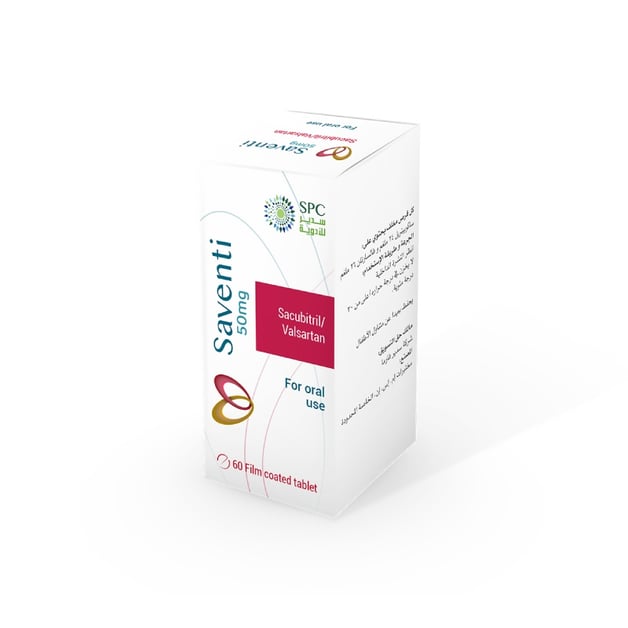
Saventi 50 mg is a prescription cardiovascular medication used for managing chronic heart failure. This combination therapy contains sacubitril and valsartan, working together to improve cardiac function, reduce symptoms, and lower the risk of hospitalization and cardiovascular mortality. Saventi is commonly prescribed for patients with reduced ejection fraction to enhance overall heart performance and quality of life.
Active Ingredient and Composition
- Active ingredients: Sacubitril + Valsartan
- Strength: 50 mg per tablet
- Dosage form: Film-coated tablets
- Pack size: 60 tablets
- Mechanism combination: Angiotensin receptor-neprilysin inhibitor (ARNI)
Drug Class
Saventi belongs to the class of Angiotensin Receptor-Neprilysin Inhibitors (ARNIs). This class combines neprilysin inhibition with angiotensin II receptor blockade to optimize cardiovascular outcomes.
Uses and Medical Indications of Saventi
Saventi 50 mg is primarily indicated for:
- Management of chronic heart failure (HFrEF)
- Reducing the risk of cardiovascular death and hospitalization
- Improving cardiac output and ventricular function
- Relieving symptoms such as:
- Shortness of breath (dyspnea)
- Fatigue and reduced exercise tolerance
How Saventi Works
Saventi works through a dual mechanism:
- Sacubitril inhibits neprilysin, increasing beneficial peptides that promote vasodilation and sodium excretion
- Valsartan blocks angiotensin II receptors, reducing vasoconstriction and fluid retention
This combined effect helps lower blood pressure, reduce cardiac workload, and improve heart efficiency.
Dosage and Administration of Saventi
- Dosage should be individualized by a healthcare provider
- Typically taken twice daily
- Can be taken with or without food
- Tablets should be swallowed whole with water
- Do not discontinue Saventi abruptly without medical advice
Possible Side Effects of Saventi
Common side effects may include:
- Hypotension (low blood pressure)
- Dizziness or lightheadedness
- Fatigue
- Elevated potassium levels (hyperkalemia)
- Impaired kidney function in some patients
Seek medical attention if severe symptoms occur.
Contraindications
Saventi is contraindicated in:
- Pregnancy
- Patients with a history of angioedema related to ACE inhibitors or ARBs
- Severe hypersensitivity to sacubitril or valsartan
Drug Interactions
Saventi may interact with:
- Other antihypertensive medications (risk of excessive hypotension)
- ACE inhibitors (must not be used concurrently)
- Diuretics (may enhance blood pressure-lowering effect)
- Potassium supplements or potassium-sparing drugs
Always consult a physician before combining therapies.
Warnings and Precautions
- Monitor blood pressure regularly
- Use cautiously in patients with renal or hepatic impairment
- Periodic monitoring of kidney function and serum potassium is recommended
- Inform your doctor about all medications and supplements
Use During Pregnancy and Breastfeeding
- Pregnancy: Contraindicated due to risk of fetal harm
- Breastfeeding: Use only if clearly prescribed by a healthcare provider after risk assessment
Use for Children
Safety and efficacy in pediatric patients have not been fully established. Use only under specialist supervision.
Drug Alternatives
- ACE inhibitors (e.g., enalapril)
- ARBs (e.g., valsartan alone)
- Beta-blockers (e.g., bisoprolol)
- Mineralocorticoid receptor antagonists (e.g., spironolactone)
Comparison With Similar Drugs
Saventi vs ACE inhibitors
Saventi offers superior reduction in mortality due to its dual mechanism.
Saventi vs ARBs alone
More effective in improving heart function and reducing hospitalizations.
Safe Usage Tips
- Take Saventi at the same time daily
- Avoid high potassium diets or supplements unless advised
- Stay hydrated but monitor fluid intake if recommended
- Report symptoms like swelling, fainting, or irregular heartbeat
Conclusion
Saventi 50 mg is an advanced heart failure therapy combining sacubitril and valsartan to improve heart function, reduce symptoms, and lower mortality risk. When used as prescribed, Saventi plays a critical role in modern cardiovascular disease management.