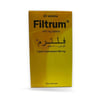
Filtrum Hydrolyzed Lignin 400 mg 20 Tablets


Filtrum 400 mg – Intestinal Adsorbent for Diarrhoea (20 Tablets)
Filtrum 400 mg is a third-generation enterosorbent formulated to help manage different types of diarrhoea, including viral diarrhoea, bacterial diarrhoea and food poisoning. Each tablet contains 400 mg of hydrolysed lignin, a natural porous substance that binds harmful substances, bacteria, viruses and toxins in the digestive tract and helps eliminate them naturally from the body without being absorbed into the bloodstream. The 20-tablet pack is designed for short-term use in cases of acute diarrhoea and food poisoning.
What Is Filtrum?
Filtrum is a third-generation intestinal adsorbent (enterosorbent) containing 400 mg of hydrolysed lignin per tablet. Its porous structure attracts and binds harmful substances and toxins in the digestive tract, helping carry them out of the body naturally through the stool. It acts locally in the gastrointestinal tract without being absorbed into the bloodstream.
What Types of Diarrhoea Does Filtrum Help Manage?
Filtrum is designed to help manage different types of diarrhoea, including:
- Viral Diarrhoea: Associated with viral infections such as Rotavirus and Norovirus.
- Bacterial Diarrhoea: Associated with bacterial infections such as E. coli and Salmonella.
- Food Poisoning: Helps bind bacterial toxins and other harmful substances responsible for digestive discomfort.
- IBS-Related Diarrhoea (IBS-D): Helps bind certain substances, including excess bile acids, that may contribute to diarrhoea associated with irritable bowel syndrome.
How Does Filtrum Work?
Filtrum works through a process called adsorption. Its porous hydrolysed lignin structure attracts and binds harmful substances inside the digestive tract, including:
- Viruses associated with intestinal infections.
- Bacteria that may cause digestive infections.
- Bacterial toxins and other harmful substances.
- Excess bile acids that may contribute to diarrhoea.
These substances become attached to the surface of the lignin and are eliminated naturally from the body through the stool. Unlike medicines that slow down bowel movement, Filtrum works by binding unwanted substances inside the digestive tract.
Why Choose Filtrum for Bacterial Diarrhoea?
Some antidiarrhoeal medicines work by slowing intestinal movement, which may be unsuitable in certain bacterial intestinal infections because it can delay the elimination of infectious substances. Filtrum works differently by adsorbing bacteria and their toxins inside the digestive tract. However, bacterial diarrhoea may require medical assessment and specific treatment, depending on its cause and severity.
Does Filtrum Help with IBS-Related Diarrhoea?
Yes. Filtrum may help manage diarrhoea associated with irritable bowel syndrome (IBS-D). Excess bile acids can contribute to diarrhoea and digestive intolerance, particularly after consuming fatty foods. Hydrolysed lignin helps bind certain substances, including excess bile acids, within the digestive tract.
Is Filtrum Suitable During Pregnancy and for Older Adults?
Filtrum acts locally inside the digestive tract and is not absorbed into the bloodstream. It may be considered for use during pregnancy and in older adults, but medical advice is recommended before use, particularly during pregnancy or when taking other medications.
What Is the Recommended Dose of Filtrum?
The recommended dosage depends on the condition being managed:
- Acute Diarrhoea and Food Poisoning: 2 tablets, 3 times daily for 3 to 5 days, using the 20-tablet pack as directed by the product instructions.
- IBS-Related Diarrhoea: 2 tablets twice daily, with the 50-tablet pack intended for this treatment regimen as described in the product instructions.
Take Filtrum separately from meals and other medications, following the recommended time intervals in the package leaflet, as it may affect the absorption of other medicines.
Why Is It Important to Manage Diarrhoea Quickly?
Diarrhoea can cause significant loss of fluids and essential electrolytes, potentially leading to dehydration. This can be particularly dangerous for children and older adults. Alongside diarrhoea management, it is important to drink sufficient fluids and use oral rehydration solutions when appropriate to replace lost water and salts.
Important Precautions
- Follow the recommended dosage and instructions provided in the package leaflet.
- Maintain adequate fluid and electrolyte intake during diarrhoea.
- Seek medical advice if diarrhoea is severe, persistent or accompanied by blood in the stool, high fever or signs of dehydration.
- Consult a healthcare professional before use during pregnancy or alongside other medications.
| Shipping Type | Express |
|---|